

INTRODUCTION
According to the Intergovernmental Panel on Climate Change (IPCC) Sixth Assessment Report (AR6) [1], global net anthropogenic GHG emissions increased from 38 gigatons (GT) CO2-equivalent in 1990 to 59 GT in 2019, a 1.55-fold increase. This report also includes regional contributions to emissions, 27% of the GHG was emitted from Eastern Asia, 12% from North America, 10% from Latin America and Caribbean countries, 9% from Africa, 9% from South East Asia and the Pacific Islands, etc. About 30% was from 5 regions (South Asia, Europe, Eastern Europe and West Central Asia, the Middle East, Oceania, and Japan), and 2% from internal transportation by ships and aircraft of 10 regional groups used for statistical purposes. Africa has a population of 12.9 billion persons, producing 3,900 kg CO2-eq per capita of 780 kg CO2-eq. GHG intensity in 2019, which means one of the lowest net anthropogenic GHG emissions of the 10 regional groups.
In 1990, the GHG produced by the agricultural sector accounted for 82.22% of total GHG emissions, except for land use (LULUCF) and land use change and forest (LUCF), 14.58% from energy, and 2.87% from waste. After twenty-three years, the ratio of GHG from the agriculture sector reduced to 70.78% in agriculture, and the ratios increased in the energy and waste sectors to 21.00% and 26.37% in 2013, respectively. Also, the ratio of GHG from the industrial processors rose from 0.32 to 1.85 during the same periods. However, considering the increase in total GHG emissions amount, the rapid and highly increased sectors were the industrial processors (1,164.75%), the waste sector (390.39%), and the energy sector (218%). The lowest increase in GHG was 90.09% in the agriculture sector, but decreased by 181.51% in the LUCF [2]. In the ratio of gases in 1990, methane (CH4) was the most abundant gas (87.43%), followed by nitrous oxide (N2O) at 7.21% and carbon dioxide (CO2) at 5.36%. The ratio changed to 63.93%, 25.39%, and 10.68% in 2013, respectively. The carbon (CO2) emission in Ethiopia in 2021 was 19.2 million tons, corresponding to 11.48% of the total GHG emission, with an increment of 27.15% of 15.1 million tons from 2016.
The total GHG (CO2-eq.) emitted in Ethiopia was 167.3 million tons in 2020, an increase of 14.82% from 145.7 million tons in 2016 [3]. The GHG emission quantity excluded biomass combustions such as agricultural waste and savannah but included forest fires, post-burn decay, peat fires, decay of drained peat lands, and all anthropogenic sources such as CH4, N2O, and freon gases such as hydrofluorocarbons (HFCs), perfluorocarbons (PFCs), and sulfur hexafluoride (SF6).
In 2023, Ethiopia’s CO2 emissions increased by 169 million tons, marking a 1.02% rise compared to 2022. This places Ethiopia at 90th globally, indicating a relatively low contribution to global anthropogenic emissions, making it one of the least polluting countries. Because total GHG emissions are affected by demographic factors such as population size, Ethiopia remains one of the lowest CO2 emitters per capita, with just 0.14 tons per person and measured by 0.05 kg CO2 emissions per $1,000 of GDP of 2023 [4]. Nevertheless, this low-emission profile highlights the importance of integrating low-carbon strategies into the country’s future economic development plans to ensure sustainable growth. Agriculture sector has not seen a significant increase in emissions, it still accounts for 51% of the total emissions (299 million tons in 2020). This emphasizes its substantial contribution to overall greenhouse gas levels, emphasizing the need for sustainable agricultural practices and emission reduction strategies (Table 1).
Adapted from FDRE MoPD [5] with permission of the copyright holder.
The difference in GHG emissions between the two cited datasets may be due to variations in how institutions apply the IPCC Tier 1, 2, and 3 methodologies or differences in the global warming potential (GWP) values used for CO2-equivalent conversion.
Several international cooperation programs supported the development of low-carbon and climate change adaptation livestock technologies in Ethiopia. The main programs are as follows: United Nations Framework Convention on Climate Change (UNFCCC) Technology Mechanism supports Ethiopia in developing and disseminating low-carbon and climate-resilient technologies. Through technical assistance and capacity building, the program contributes to adopting low-carbon technologies in Ethiopia’s livestock sector [5]. The World Bank operates various projects supporting the development of climate-resilient and low-carbon agricultural technologies in Ethiopia. The program promotes sustainable agriculture practices and enhances climate change adaptation, contributing to reducing GHG emissions in the livestock sector [6]. The Consultative Group on International Agricultural Research (CGIAR) plays a crucial role in developing and disseminating climate change adaptation technologies in Ethiopia’s agriculture and livestock sectors by conducting research and projects aimed at reducing GHG emissions through low-carbon feed, improved manure management, and genetic improvement. International Energy Agency (IEA) and International Renewable Energy Agency (IRENA) contribute to the dissemination of low-carbon technologies and the strengthening of international cooperation for climate change adaptation in various countries, including Ethiopia [7].
These international cooperation programs play a significant role in developing low-carbon technologies and addressing climate change in Ethiopia’s livestock sector. The dairy industry in Ethiopia is significantly impacted by climate change. Increasingly frequent droughts and floods caused by climate change adversely impact dairy farming by reducing water supplies and pasture availability [8]. Additionally, extreme weather patterns caused by climate change can reduce agricultural productivity, leading to food insecurity. To address these issues, the Ethiopian government and international organizations focused on providing the technologies and resources for agriculture that can adapt to climate change [9]. Despite Ethiopia’s dairy sector being dominantly reliant on indigenous breeds and traditional farming methods, insights from global advancements in feed efficiency and herd management offer valuable opportunities for improvement. The Official Development Assistance (ODA) project, aiming at enhancing dairy cattle performance, must incorporate strategies to address climate change by leveraging globally sourced information and best practices
NATIONAL STRATEGY FOR CLIMATE CHANGE
In the five countries of East Africa, the total GHG emissions are emitted annually, 12.44 million tons CO2-eq. in Uganda from 14.79 million cattle, 15.77 million tons CO2-eq. in Kenya from 18.73 million cattle, 19.17 million tons CO2-eq. in Tanzania from 33.93 million cattle, and 1.21 million tons CO2-eq. in Rwanda 1.29 million cattle (Table 2). The dairy cattle sector in Ethiopia emits approximately 116.3 of a total 167.3 million tons of CO2-eq. from 70.29 million cattle in 2020 [3,10,11]. About 69.52 of the total emissions come from the enteric methane produced during the digestive process of the cattle. Nitrous oxide emissions from manure management account for about 2.1% of the total emissions. Carbon dioxide emissions from feed production are relatively low [3].
The values were determined using Nationally Determined Contribution (NDC) data [5] by multiplying the EI values and enteric CH4 emissions of three dairy production systems by their respective population sizes. The sum of these values is then divided by the total cattle population [11].
Adapted from Country Economy [4] with permission of the copyright holder; Park et al. [11] with permission of the copyright holder; IFAD [12] with permission of the copyright holder.
EI, emission intensity.
The GHG emissions from milk production are primarily dominated by methane (CH4). In Ethiopia, the traditional dairy production system, which accounts for about 97% of the national milk supply, is responsible for about 87% of the sector’s total GHG emissions [13]. Similarly, in Uganda, traditional dairy farming produces 86% of the national milk supply while contributing 97.2% of total GHG emissions. Tanzania’s dairy sector follows a similar pattern, with 97% of its emissions coming from traditional dairy production. In Kenya, the semi-intensive dairy production system generates 44% of the country’s milk but is responsible for 48% of the sector’s total GHG emissions.
The emission intensity (EI) of milk production in East Africa varies significantly, highlighting differences in GHG emissions per liter of milk. Ethiopia, with the highest EI at 13.87 kg CO2-eq. per liter, GHG per liter of milk, followed by Tanzania (9.3 kg CO2-eq. per liter), Uganda (7.8 kg CO2-eq. per liter), and Rwanda (6.9 kg CO2-eq. per liter) show moderately high emissions, while Kenya, with the lowest EI at 4.6 kg CO2-eq. per liter, produces the least EI value (Table 2).
The GHG released by anthropogenic activities for global climate change are estimated to contribute 14.5% of total GHG emissions released by anthropogenic activities [14]. The Green Climate Fund (GCF) invested $5,1 billion through 243 projects focusing on promoting resilient agroecology to address regional climate hazards and building resilient communities, particularly for smallholder farmers. Especially in Africa, GCF implemented $1,696 million through 42 projects [15].
The UNFCCC plays a fundamental role in global climate policy, serving as the foundation for international efforts to combat climate change. Within this framework, Nationally Determined Contributions (NDCs), Long-Term Low Emission and Climate Resilient Development Strategies (LT-LEDS), and the Climate Resilient Green Economy (CRGE) Strategy are key mechanisms designed to support sustainable development and GHG reduction. The Paris Agreement, adopted under the UNFCCC, reinforces these strategies by encouraging nations to set ambitious climate goals and implement resilient policies to mitigate and adapt to climate change.
The main policy documents considered for the financing strategy are CRGE strategy, Second Growth and Transformation Plan (GTP II) 2015–2020, Ten-Year National Development Plan (10YDP) (2021–2030), Ethiopia’s Country Planning Framework for the GCF 2016–2020, Resource Mobilization Strategy for Ethiopia’s National Adaptation Plan and its Implementation Plan, Financing Strategy for Updated Ethiopia’s NDC and its Implementation Plan, and Financing the Child-Centered Sustainable Development Goals (SDGs) in Ethiopia [5].
The Ethiopian government is implementing various policies to reduce GHG emissions. The strategies are as follows: The LT-LEDS has established a long-term strategy, aiming for net-zero emissions by 2050. This strategy outlines low-carbon and climate-resilient pathways in various sectors, including agriculture, energy, and transportation. The CRGE strategy aims to reduce GHG emissions by 64% (174 Mt CO2-eq.) by 2030 from the 2023 baseline (272 Mt CO2-eq.) and includes the adoption of clean technologies and practices in agriculture, construction, and transportation (Table 3).
Adapted from FDRE MoPD [5] with permission of the copyright holder.
LT-LEDS, Long-Term Low Emission and Climate Resilient Development Strategy; GHG, greenhouse gas; BAU, business as usual.
Ethiopia, as a signatory to the Paris Agreement, submitted a conditional emission reduction target of 68.8% in its 2015 NDC, which was revised in 2021 based on improved modeling and updated data [16]. Ethiopia has pledged to limit its annual net emissions to 126 Mt CO2-eq. or lower by 2030, which represents a 278 Mt CO2-eq. (or 69%) reduction from the business as Usual (BAU) scenario of 403 Mt CO2-eq. BAU scenario and reduction targets are as follows: The BAU scenario estimates Ethiopia’s GHG emissions to reach 403 Mt CO2-eq by 2030 and 558.7 Mt CO2-eq by 2050, reflecting variations in modeling assumptions and updates in climate strategies (Table 3).
LT-LEDS and NDC consider both economic growth and climate change mitigation as part of a strategy that presents various emission reduction pathways for sustainable development. In particular, Ethiopia aims to maximize carbon absorption through methods such as forest restoration, sustainable agriculture, and soil carbon storage, thereby promoting carbon reduction. Through these efforts, Ethiopia seeks not only to achieve its Net Zero emissions target but also to establish a strategy for securing carbon trading rights in the carbon market.
CHALLENGES IN GHG EMISSIONS BY THE DAIRY FARMING SECTOR
Methane is a potent greenhouse gas, with a GWP 27–29.8 times greater than carbon dioxide (CO2) over 100 years (Table 4) [17]. This table presents key greenhouse gas characteristics by separating different indicators, allowing for independent analysis on the specific impacts of each indicator on climate change. This structured approach facilitates clearer comparisons and supports the development of effective mitigation strategies.
Adapted from IPCC [17] with permission of the copyright holder; GHG Protocol [18] with permission of the copyright holder.
CFC-11, trichlorofluoromethane or Freon-11 (CCl3F); CFC-12, dichlorodifluoromethane or Freon-12 (CCl2F2); HCFC-22, chlorodifluoromethane or R-22 (CHClF2).
The agricultural sector contributes nearly 70% of Ethiopia’s total GHG emissions, with methane from livestock responsible for around 64% of those emissions. The widespread reliance on low-producing indigenous cattle exacerbates this issue. Indigenous breeds, which produce only about 1.5 liters of milk per day, require a high cattle population to meet the increasing demand for dairy products, driving up methane emissions proportionally. Given the large livestock population in Ethiopia, reducing the methane emissions per unit of milk produced is critical for improving dairy productivity and meeting Ethiopia’s climate change commitments.
Ethiopian indigenous cattle breeds can be classified into five groups and twenty-eight breeds based on genetic resources: Group 1) Large East African Zebu (Ethiopian Borana, Somali Boran awai, Murle, Arsi, Begait); Group 2) Small East African Zebu (Adwa, Ogaden, Ambo, Afar, Mursi, Smada, Hammer, Harar, Jijiga, Bale, Jem-jem, Guraghe, Goffa) in highland and lowland; Group 3) Four breeds of Senga Zebu (Danakil or Kereyu, Raya-Azebo) in the northern east, (Anuak or Abigar, Ariab-Dinka) in far southeast lowlands; Group 4) Three breeds of Zenga Zebu (Horro, Fogera, and Arado) in central highlands, Group 5) Tauline (humpless-shorthorn) (Sheko) in mid-altitude of the southwest and humpless-longhorn (Kuri or Baherie). Additionally, four new cattle types (Babbawa, Jidau, Bororo, and Tigray) and one East African Zebu (Red Furani or Fellata) with six commercial composites are also reported. Phenotypic differences arise from genetic diversity and environmental variation and are assessed using genetic and ecological parameters [19].
One of the indigenous cattle breeds, the Boran, produces an average of 500–800 L per year, in contrast to the exotic dairy cattle, Holstein cattle, approximately 7,500–10,000 L [20]. This means that improved cattle can produce more milk with significantly fewer animals. However, regarding GHG emissions, the Boran primarily emits about 55–60 kg of GHGs through enteric CH4 produced during digestion per year, and Holstein may emit higher CH4 emissions due to its higher feed intake (FI), about 100–120 kg per year. This indicates that although Holstein cattle emit higher CH4 gas, they can produce more milk with fewer individuals overall. However, it is important to consider that Holstein cattle may face challenges adapting to Ethiopia’s climate and environment, so these factors must be comprehensively evaluated [21].
The Ethiopian government’s Climate-Resilient Green Economy (CRGE) Strategy [22] to improve cattle productivity focuses on ensuring farmers’ livelihoods by increasing the annual milk production (AMP), taking into account environmentally sustainable economic opportunities. The high livestock population in Ethiopia is one of the major challenges in climate change due to the overabundance of indigenous cattle with low milk production capacity. If indigenous cattle raised by smallholder farms are replaced with high-performance dairy cows, the total CO2 emission volume is expected to be significantly reduced. However, as the smallholder farms, particularly in the pastoral regions, are highly reliable in raising livestock for their subsistence, the issue poses a challenge to national climate policies. The absolute low productivity of indigenous cattle represents the primary constraint faced by the dairy sector in most rural areas in Ethiopia, and inadequate feed and water supply further limit milk productivity.
Traditional stubble grazing on natural lands without using supplementary feeds is the reason for its low milk productivity. In contrast, urban smallholder dairy farms maintaining small herds of high-capacity and crossbred cattle under intensive feeding systems by feeding concentrated exhibit lower EI value (2.01 kg CO2-eq./L of milk) than peri-urban farms (5.92 kg CO2-eq./L of milk) [23]. Globally, milk and related dairy products emit an average of 2.4 kg CO2-equivalent GHGs per kilogram of product, with enteric fermentation accounting for approximately 52% of total emissions. However, reducing the number of indigenous cows can play a crucial role in reducing methane emissions and retaining the current AMP volume. Introducing exotic cattle to increase milk production in Ethiopia instead of indigenous cattle is inevitable, leaving several expectations and challenges.
On the positive side, exotic cattle generally produce much more milk than indigenous cattle, allowing higher milk production with fewer cows, and as a result, increased milk production can lead to higher income for farmers, improve the nutritional status of residents, and enhance food security. On the other hand, exotic cattle may struggle to adapt to Ethiopia’s climate and environment and require higher feed and management inputs, leading to increased production costs and potential threats to genetic diversity. These findings are consistent with previous studies showing that higher-performance dairy cows produce more milk with a lower environmental impact per kilogram of milk compared to lower-performance cows [24].
In the Oromia region, GHG emissions can reach up to 52 tons of CO2 per kilogram of milk. However, if farmers improve cattle breeds or introduce highly productive dairy cows, increasing milk yield from 100 kg to 5,000 kg per lactation period, the emissions can be reduced to 2.3 tons of CO2 per kilogram of milk. Low-yielding cows producing only 100 kg per year require 157 m2 of land per kilogram of milk, whereas high-yielding cows generating 5,000 kg of milk need only 5.6 m2 per kilogram [25]. This also contributes to reducing GHG emissions from a land-use perspective. Given the potential to minimize land use for feed production and grazing, intensifying both milk and fodder production appears to be the optimal approach.
The Low-carbon practices in the agricultural sector is implementing various programs to promote low-carbon practices in agriculture, including reducing methane emissions through sustainable agricultural practices, improving feed, and enhancing manure management [5]. These practices play a crucial role in reducing GHG emissions and addressing climate resilience in Ethiopia.
Hailemariam reported that 90.4% of 80 farmers from urban and peri-urban farms in Ziway-Hawassa milk shed believed that cattle do not have any contributions to climate change [23]. An analysis of farmers’ perceptions and adaptation strategies to climate change in the Qwara District, using descriptive statistics and logistic regression, revealed that 90% of respondents perceived changes in climate parameters over time, showing a noticeable increasing trend [26]. Similarly, analyzed farmers’ perceptions of climate change, local indicators of climate patterns, and the adaptation measures implemented to cope with associated risks [27]. Their findings indicate that farmers in the study area recognize climate shifts and have devised survival strategies accordingly.
As part of their adaptation strategies, pastoral communities have dug more boreholes in drier regions, shifted to non-farm activities, and reduced livestock by slaughtering and selling animals during prolonged droughts. Additionally, they practice fodder preservation and restocking after drought periods [28]. Smallholder farmers have implemented various adaptation measures, including improved crop varieties, agroforestry practices, soil conservation techniques, irrigation methods, and adjustments in planting schedules [29]. However, adaptation decisions remain location-specific and are influenced by key drivers such as socioeconomic, environmental, and institutional factors.
In the Oromia and Amhara regions, climatic variations and strategies for breed improvement were observed. In particular, research emphasizes the superior adaptability of indigenous breeds to climate stressors, considering their resilience as a basis for enhancing milk production. The following summarizes these key research outcomes.
Farmers in the Oromia Regional State have perceived increasing temperatures and declining rainfall, consistent with meteorological data from 2001–2020. Climate change has impacted livestock production by reducing feed and water availability, decreasing milk production and fertility, and increasing disease prevalence, mortality, and livestock susceptibility, ultimately affecting food security and farmers’ livelihoods. To adapt, farmers have implemented mixed crop-livestock farming, species diversification, feed conservation, water harvesting, supplementary feeding, and livestock reduction. However, further interventions are needed, including improved weather information, forage production, effective conservation technologies, insurance, and livestock market access [29].
A study conducted in the Amhara regional state revealed several ways in which climate change negatively affects cattle characteristics and productivity [30]. The cattle population is declining due to high temperatures and reduced rainfall, which impact survival rates and overall herd stability. Crossbred cattle do not show a significant advantage over indigenous breeds in milk yield, but indigenous cattle possess valuable dairy traits, such as thermal tolerance, the ability to survive on lower-quality feed, and disease resistance, making them better adapted to climate stressors. Improving indigenous breeds for dairy production could offer a sustainable solution under changing climate conditions. Thus, the selection and improvement of indigenous cattle may enhance milk production while ensuring resilience to climate-related stressors. Overall, the study underscores the importance of adapting livestock breeding and management practices to mitigate climate change impacts and sustain dairy production in affected regions.
As climate change has become a global concern, increasing attention has been directed toward its impact on the dairy industry. When adopting strategies to mitigate enteric methane emissions at the farm level, the most mitigation approaches would be both cost-effective and profitable to dairy farmers, particularly since dairy cows are a primary source of such emissions. Studies have shown that intensive dairy production system in developed countries emit less GHG per unit of fat and protein corrected milk (FPCM) than the extensive system found in developing countries [31].
Regarding feeding and nutritional approaches to reducing enteric CH4 emissions, mixed feeds generally produce higher enteric methane emissions compared to forage-based diets, highlighting the need for more efficient feeding practices to reduce emissions from dairy farming [32]. Another study estimated that the enteric CH4 emission per ECM milk yield (kg/cow/lactation) decreased by up to a maximum of 15% (2.25 g of CH4/kg ECM) with increasing milk productivity and feed efficiency in a prediction by applying a percentage of gross energy intake [33]. O’Brien et al. found that the high-performing confinement and grass-based dairy farms have a significant impact on the overall carbon footprint [34]. Similarly, Liang et al. reported that certified organic dairy farms’ feeding strategies and cropping systems have mitigation effects, particularly methane (CH4) [35]. Naranjo et al. observed environmental footprint per one liter of milk production directly influencing the GHGs, water, and land use [36].
Dure to the the reduction in enteric CH4 in a model approach of feed and nutrition would be less based on whole cows than on individual cows, the herd milk productivity, integrated with approaches in herd structure, and genetic management, is more important to environmental sustainability. Among various strategies proposed to address the rapid increase in GHG emissions (about 112% growth from 33 Mt CO2-eq. in 1990 to 71 Mt CO2-eq., representing 44% of total emissions, over the last two decades) [38], improving livestock productivity and adopting advanced management technologies have been suggested as effective alternatives [37].
The enhanced management practices and technologies could contribute to minimizing the environmental impacts while increasing milk production. For example, even though the number of lactating cows increased from 9.19 × 10⁶ in 2007 to 9.39 × 10⁶ in 2017 in the USA, the resources required to produce 1.0 million MT were considerably reduced; 74.8% of cattle, 82.7% of the feedstuff, 79.2% of the land, and 69.5% of the water. The GHG emissions per 1.0 million MT of ECM milk produced in 2017 were mitigated by 80.8% of equivalent milk production compared to 2007, despite the increase of 24.9% in total ECM milk production. This means that the total GHG emission from the U.S. dairy cattle industry is increased only by 1% by 1%, from 1.77 × 10²⁰ kg CO2-eq. for 2007 to 1.79 × 10²⁰ kg CO2-eq. for 2017 [37]. Research on GHG emissions from dairy cattle in Ethiopia shows that the sector emits approximately 116.3 million tons of CO2 equivalent annually, with methane (CH4) from enteric fermentation accounting for about 87% of these emissions. Nitrous oxide (N2O) emissions from manure management account for around 2.1%, while carbon dioxide (CO2) emissions from feed production are relatively low [39].
The amount and proportion of gases emitted from metabolic processes, respiratory activity, and manure, particularly in terms of CH4 and CO2 emissions, depend on feed composition. The nitrogen content in feed plays a crucial role in determining direct and indirect N2O emissions from manure. Higher nitrogen levels can contribute to increased emissions, making feed composition an important factor in managing environmental impact. Low quality and insufficient quantities of forages result in relatively larger enteric CH4 emissions, as the feed stays in the rumen longer. Mixed feeds tend to generate higher enteric methane emissions compared to forages. This is because mixed feeds often contain higher levels of fermentable carbohydrates, which enhance microbial activity in the rumen, leading to increased methane production. Forages, especially those with a high fiber content, tend to have a slower fermentation process, which can result in relatively lower methane emissions [40].
However, the specific composition of the mixed feed plays a crucial role. Diets with increased lipid content or certain feed additives can mitigate methane emissions. Optimizing feed formulation is a key strategy for reducing environmental impacts while maintaining livestock productivity. Feeding strategies differ among farms, further contributing to variations in GHG emissions. Urban farms which focus on commercial milk production, typically rely on purchased mixed concentrated feeds, whereas peri-urban farms, which prioritize both crop and milk production for livelihoods tend to use a combination of concentrated feeds and forages [31].
Climate change has both direct and indirect impacts on livestock production, affecting animal health, grazing conditions, and feed availability. As a direct impact, livestock are exposed to heat stress caused by fluctuations in minimum and maximum temperatures, high humidity, and reduced wind circulation, all of which lead to physiological strain on animals. To cope with these environmental changes, animals respond through adaptation mechanisms that vary by breed and genotype, coat color and type, body condition, health status, and acclimatization ability. Additionally, changes in FI and water security play crucial roles in how animals manage climate-related stress. As a result of prolonged exposure to such conditions, production declines, and susceptibility to diseases increases. The weakened immune systems of animals make them more vulnerable to pests and infectious diseases that thrive under changing climatic conditions [41].
To assess heat stress and its potential impact on livestock, the temperature humidity intensity (THI) has been proposed as a key indicator for measuring heat load, with color intensity used to depict stress levels. A THI between 72–78 indicates mild stress, 79–88 corresponds to moderate stress, 89–98 signifies severe stress, and a THI above 98 serves as a warning of potential mortality in cows (Fig. 1). This provides a more specific and standardized metric for measuring heat stress in livestock.
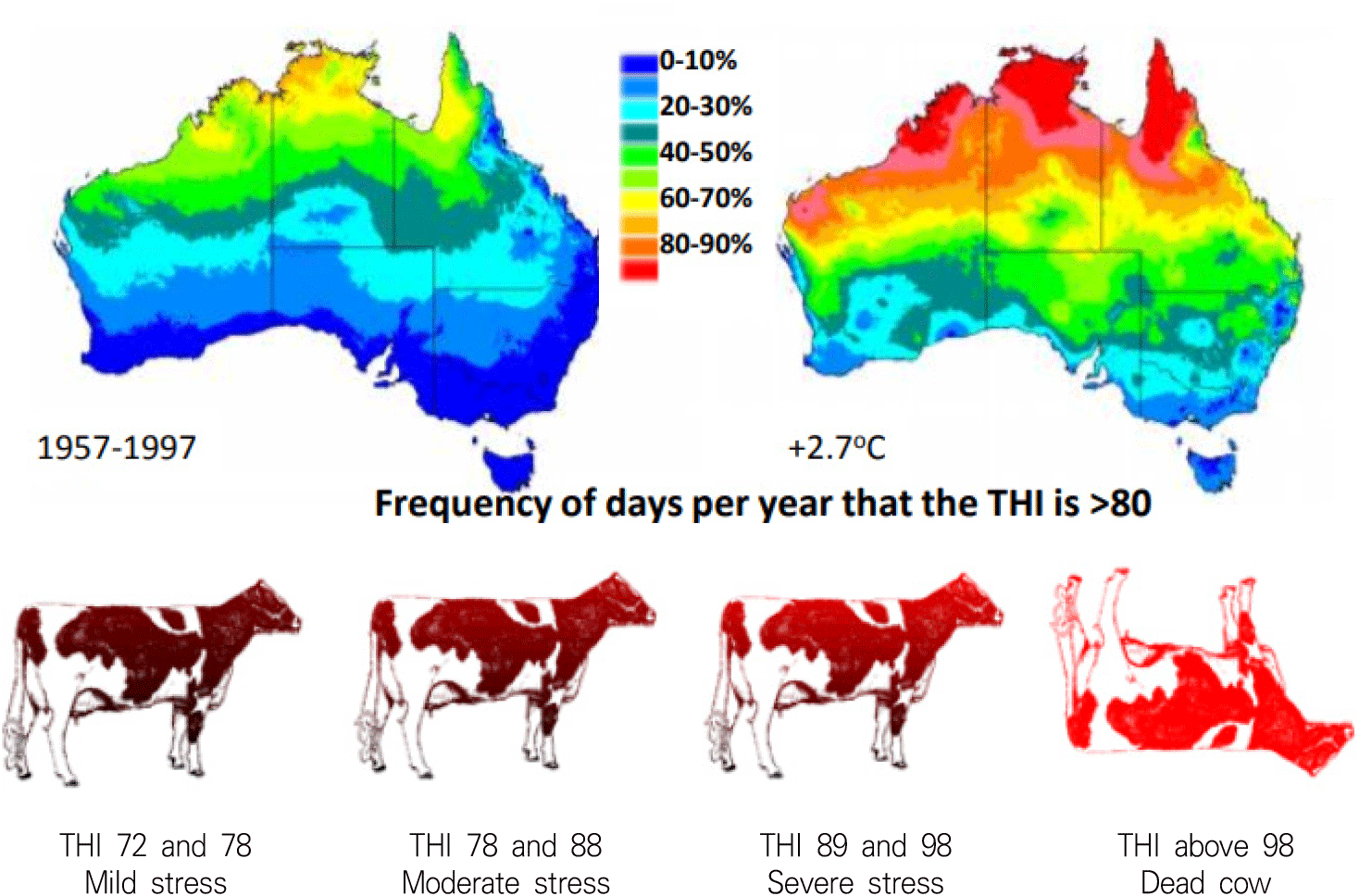
Indirectly, climate change alters the composition and resilience of grasslands and forage, affecting grazing systems and feed availability. In response to changing climatic conditions, rangelands experience shifts in dominant vegetation, with deeper-rooted and heat-tolerant plant species becoming more prevalent. Variations in pasture growth include changes in species composition, forage quality, and rangeland biodiversity, all influenced by increased atmospheric CO2 concentrations, temperature fluctuations, and altered in precipitation patterns. Furthermore, dairy pasture growth undergoes disruptions, with seasonal growth cycles being modified due to climate instability [41]. These shifts can affect milk production and overall pasture sustainability, potentially leading to reduced feed quality and availability for livestock.
Livestock production systems in the northern states of Afar and Amhara in Ethiopia differ in reproductive schemes, animal productivity, breed composition of their farm herd, and manure management. Heavy reliance on traditional stubble grazing without supplemental feeding also contributes to low milk yields and higher emissions per unit of milk produced. To exacerbate the problem, the anticipated effects of climate change, including more frequent droughts, unpredictable rainfall, and rising temperatures, are expected to intensify the pressure on water and feed resources, compounding the environmental footprint of Ethiopia’s livestock sector. Droughts and floods have already reduced pasture availability and driven down milk production, sometimes by as much as 38% [42].
Berhe et al. estimated that total GHG emissions could be reduced by 30% through feed improvement, 29% through better manure management, and 21% through herd management in urban production systems [42]. The potential reduction in methane emission was reported by 16%–25.5%, depending on the forage species used in Africa (L. Purpureus, 16%, C. juncia 23.45%, M. senopetalia 24.2%, and L. leucocephala 25.5%) [43]. Forages with higher nutrient digestibility and short-chain fatty acids tend to be fermented in the rumen, resulting in lower total gas production and minimal CH4 production (mL/g NDFD). Timothy grass, for instance, exhibits high digestibility, whereas rice straw, with its high lignin content and complex carbohydrate structure, including cellulose crystals, is not easily digestible. As a result, it produces the highest total gas and CH4 content (56.5 mL/g NDFD) [44]. The contribution of GHG emissions is highest in urban production systems (55.44%), compared with mixed systems (22.14%) and pastoral systems (18.59%). On average, emissions consist of 82.77% of methane, 13.40% of carbon dioxide, and 3.83% of nitrous oxide. The EI of the cow’s milk production of the pastoral production system is 18.64 ± 3.93, followed by the mixed-production system at 13.02 ± 1.54, and the Urban production system at 4.62 ± 0.33 at the baseline.
From 2016/2017 to 2023, mitigation potential was analyzed using Global Livestock Environment Assessment Modules (GLEAM), and the GHG emissions from all livestock in Tigray, Afar, and northern Amhara regional states increased by the rate of 3.8 and 3.3 million tons CO2-eq., per year [45]. Another study investigates GHG emissions from different cattle breeds during their growth period, using IPCC Tier 1 and Tier 2 methodologies to compare emission factors (EF, kg/head/year) for dams, bulls, and calves of indigenous and crossbred cattle. Female indigenous cattle raised on grazing systems showed EF values of 18.52 kg/head/year for ages 1–2 years and 30.27 for over 2 years, compared to 19.88 and 36.21 for female crossbred cattle raised on pasture. For male indigenous cattle, EF values were 32.48 for ages 1–2 years, 29.82 for breeding bulls over 2 years, and 31.55 for bullocks/oxen, which were higher than those of crossbred males (25.51 and 27.90, respectively). Stall-fed calves under 1 year of age showed EF values of 12.60 for indigenous cattle and 5.45 for crossbred cattle. The weighted average EF values calculated using Tier 2 were 26.53 for indigenous cattle and 30.70 for crossbreds, in contrast to Tier 1 estimates of 31.24 and 48.20, respectively [46].
Since the effects of improvement strategies in feeding, manure treatment, and reproductive parameters varied, the combined impact on GHG mitigation was assessed for three production systems: pastoral (PPS), mixed crop-livestock (MLPS), and urban (UPS) [47]. In the pastoral system, N2O emission, which appeared at the highest intensity of the other two systems, was reduced to 32.95% by the combined effect. The EI of cows’ milk was mitigated to 3.12 from 18.64 at the baseline. Although the emissions of total GHG and CH4 were at almost the same levels in MLPS (33,782 and 26,381) and UPS (31,763 and 26,756), the combined effects appeared −29.77% and −23.57%, and the EI 2.76 at MLPS (−78.80%) was stronger than 1.74 at UPS (−62.33%).
There are formulas for calculating methane emissions from dairy cattle. One commonly used formula is the methodology provided by the IPCC [48]. This formula is based on the FI of cattle and the methane produced during digestion.
Methane (CH4) mission calculation formula:
Where Methane emissions (MJ/day), DMI: dry matter intake, FA: fatty acids, CP: crude protein, and NDF: neutral detergent fiber. This formula estimates methane emissions based on feed intake and composition.
Other formulas also calculate methane emissions by considering activities associated with milk production. A formula based on the body weight (BW) of the cattle and ECM production is:
Where FI, feed intake; BW, body weight; ECM, energy-corrected milk.
The monitoring method of the enteric methane and carbon dioxide emissions from ruminants, as outlined by the IPCC, includes the use of a Ruminant Respiration Chamber and the Green Feed System. These systems detect methane fluxes directly at intervals of one to two minutes using sensors that monitor emissions when cattle are fed.
Methane (CH4) in the gas fluxes calculation formula:
Where CP refers to the fractional capture rate of air at any time (i), which is experimentally determined to be 1.0 under indoor farm conditions without wind. Conc(i) is the concentration in ppm of the captured gas, while B Conc(i) represents the background concentration (ppm) of the gas. Qair(i) is the volumetric airflow rate (L/min), measured on a dry gas basis at 1 atmosphere (atm).
The analysis includes estimates of daily CH4 and CO2 emissions (g/d) for individual cows, patterns of visits throughout the day, the number of bait pellet drops from the feed bin, and the timing of individual visits. One limitation is that extrapolating daily emissions from spot sampling—typically about 5 minutes per visit, six to eight times a day—may not fully represent total daily emissions.
Correlations between the Green Feed System® and the Respiration Chamber for measuring CH4 emissions in six studies (n = 20 cattle), reporting a determination factor of R2 = 0.92 (PMSPE = 36.0) with a slope of 1.01 (0.072) [49]. Regarding the Green Feed System® and the SF6 technique, their study provided descriptive statistics on overall methane emissions from cows (n2 = 143 and 141), showing mean emissions of 373 g/d and 405 g/d, with coefficient of variation (CV) values of 25.8% and 38.6%, respectively [50].
Tezera categorized the sources of GHG emissions from dairy farm activities into five main areas: feed production, feed transportation, enteric fermentation, manure management, and farm machinery use. They also proposed specific equations for estimating emissions based on Intergovernmental Panel on Climate Change (IPCC) guidelines, including equations for N2O, CO2, and CH4 [51].
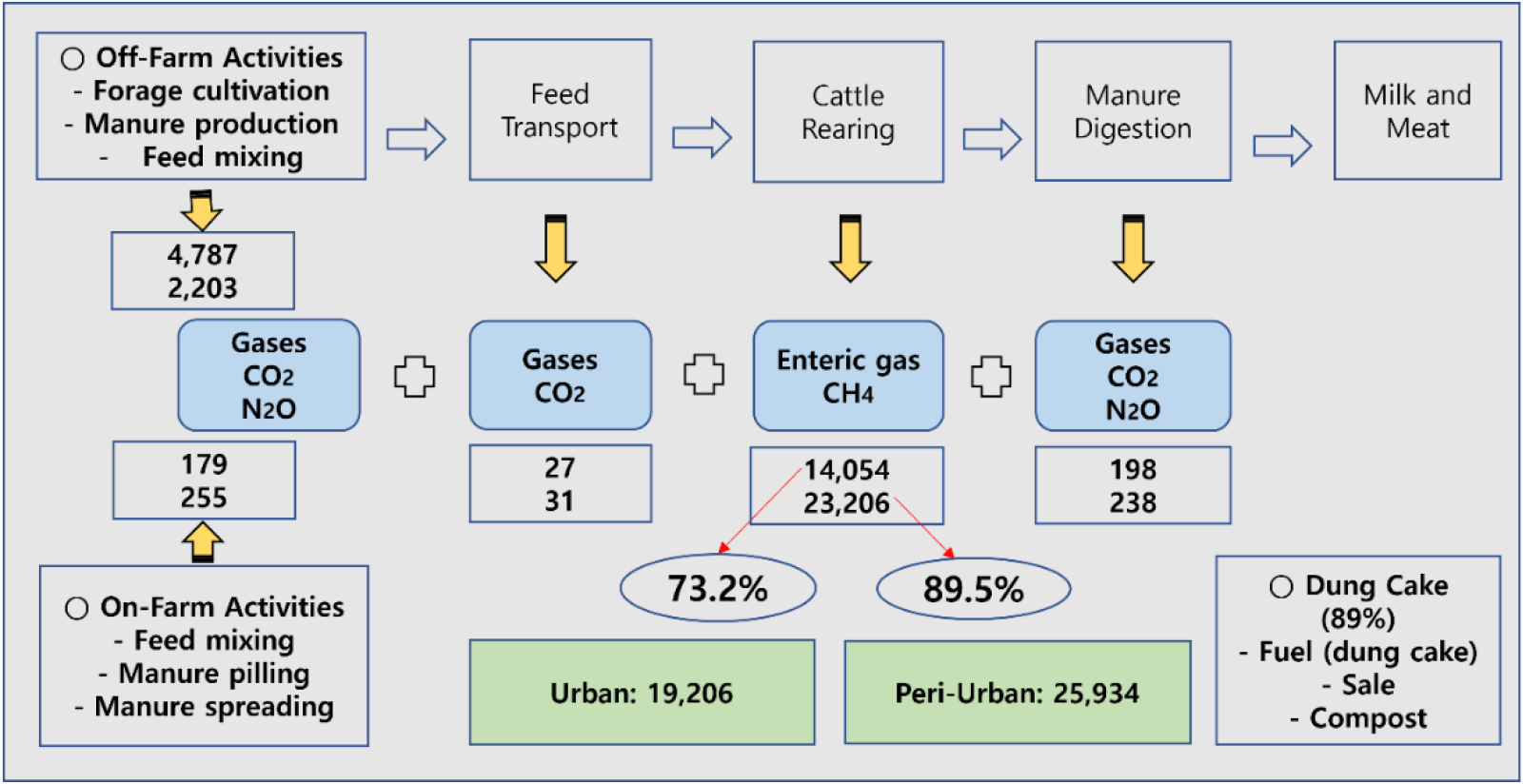
As briefly discussed in the previous chapter, Ethiopia, CO2 emissions in 2021 grew by 1,034 million tons, 5.69% compared to 2020. CO2 emissions in 2021 were 19,209 million tons, making Ethiopia the 95th country in the ranking of countries for CO2 emissions, made up of 184 countries, in which the countries are ranked from least to most pollutant. CO2 emissions per capita in Ethiopia have increased by 0.17 tons per inhabitant, one of the lowest CO2 emission countries. Ethiopia has emitted 0.07 kilos for every $1,000 of GDP in 2017 [52]. Tezera divided dairy farm activities into on-farm and off-farm feed production, feed transportation, enteric activity, and manure management [51]. Greenhouse gases are emitted throughout the entire dairy activity, and each activity emits different gases. The feed production and feed transport are where CO2 is generated. Cow’s respiratory and physiological activities produce CH4, while N2O and N2 are generated from cattle manure excretion and dry fermentation.
The proportion of gases emitted is contingent upon the composition of the feed. This is because the emissions from metabolic processes, respiratory activity, and gases emitted from the manure vary according to the composition of the feed. It has been demonstrated that mixed feeds produce more enteric gas emissions than forages [51]. The farming systems of urban and peri-urban areas are quite different in that most urban farms focus on milk production, feeding the cattle mainly with purchased mixed concentrates feed. On the other hand, peri-urban farms prioritize crop and milk production equally, and their cattle receive a combination feed comprising concentrates and forage, which are cultivated or purchased [32].
Data from the dairy farms in the Ziway-Hawassa milk shed, calculated by using the IPCC equations [51], were applied to each GHG generation factor to calculate CO2-eq. generated per farm, managing activities, and milk production activities per cow. However, among the dairy activities described above, the milk production from cattle has the highest GHG emission volume of the total production in both farms in the Ziway-Hawassa milk shed: 85.06% in urban farms (833,183 kg CO2-eq./year) and 70.65% in peri-urban farms (531,334 kg CO2-eq./year), respectively. This result means that a larger amount of GHG is generated per liter of milk production in peri-urban farms (3.33 kg CO2-eq.) than in urban farms (1.76 kg CO2-eq.).
The GHG emitted by dairy farms is reported to be 19,206 kg CO2-eq. in the urban farms and 25,934 kg CO2-eq. in the peri-urban farms per year. Peri-urban farms are responsible for the larger portion of CH4 emissions from dairy cows’ respiratory and physiological activities, making up 89.5% compared to 73.2% of urban farms in terms of CO2-eq. (Fig. 2) [51]. Urban farms primarily feed cattle with mixed concentrate feed, while peri-urban farms use a combination of concentrate feed and forage, either grown on their pastures or purchased externally. This difference leads to variations in metabolic processes and the composition of enteric gas emissions, such as CH4 and CO2. Additionally, direct and indirect N2O emissions from manure differ depending on the nitrogen content of the supplied feed.
For the comparison of the resource uses and GHG emissions in dairy production between Ethiopia and the USA [37], the output data may assume waste output (nitrogen, phosphorus, manure in kg), and GHG emission from the input data including total feedstuffs (kg), cropping land (ha), fertilizers (kg), herbicides (kg), insecticides (kg), fossil fuels (MJ), electricity (kW), water (liter), etc. In reality, the dairy cattle breed, BW, performance, feeding, and farming systems (intensive and extensive) between the two countries are quietly different.
IMPLEMENTATION POLICY FOR CLIMATE-SMART DAIRY DEVELOPMENT
While the NDCs, LT-LEDS, and CRGE strategies present ambitious national targets, their application to specific sectors such as livestock and dairy faces considerable limitations. In particular, several barriers within Ethiopia’s climate policy framework must be addressed to ensure the effective implementation of climate-smart dairy strategies.
Institutional collaboration between climate-related agencies and the Ministry of Agriculture is limited, leading to fragmented mandates and disjointed execution. Overlapping responsibilities among government ministries further complicate implementation, and limited budget allocations combined with short-term political cycles may weaken long-term commitment to climate-smart programs [8,53]. Establishing inter-ministerial coordination mechanisms and securing multi-year funding will be critical to success. Dairy production is often subsumed under broader livestock strategies, which fail to emphasize key mitigation priorities like enteric methane reduction and sustainable feed management [54–56]. The success of initiatives like the Green Legacy Initiative—which benefited from strong political backing and inter-sectoral coordination—highlights the importance of establishing inter-ministerial mechanisms and securing multi-year funding to replicate similar success in the dairy sector [54].
Smallholder farmers face significant barriers in adopting climate-smart technologies. Access to improved manure management systems, optimized feed, and biogas infrastructure is limited [10,56]. Financial mechanisms rarely target dairy-specific interventions, and technical assistance remains insufficient. Moreover, while genetic improvement is a strategic goal, exotic breeds often fail to thrive under local climatic and feed conditions [10,54]. Resistance to change among farmers further underscores the need for targeted education, demonstration farms, and incentive programs [57].
The LT-LEDS emphasizes the importance of robust MRV systems, yet Ethiopia’s dairy sector suffers from a lack of baseline data and technical capacity for emissions tracking [54,56]. Integrating livestock-specific GHG accounting into national agricultural policy frameworks and investing in MRV infrastructure will be essential for transparency and effectiveness [56–58].
While sectors like energy and forestry receive significant attention in Ethiopia’s climate strategies, livestock, and in particular, dairy remain underprioritized despite their substantial emissions footprint and vulnerability to climate impacts [54,56]. The LT-LEDS outlines sectoral pathways, but dairy-specific goals are not clearly embedded. A more integrated approach is needed to ensure that mitigation and adaptation measures for dairy are reflected in national climate planning [10,56].
Climate-smart dairy development must also address social equity. Smallholder farmers risk exclusion unless inclusive models are adopted [58,59]. Gender disparities persist, with women—who play a central role in dairy farming—facing barriers to resources and decision-making [57,60]. The success of community-based reforestation under the Green Legacy Initiative shows that inclusive, locally driven models can work [54]. Policies must prioritize smallholders and promote gender-responsive design to ensure equitable and sustainable outcomes [57,59].
To overcome these challenges, Ethiopia must implement targeted support policies for the dairy sector, including: strengthening institutional coordination and long-term funding mechanisms [54,56], expanding access to climate-smart technologies and improved breeds [10,54], developing robust MRV systems for livestock emissions [56,58], integrating dairy-specific goals into national climate strategies [10,54], and promoting inclusive governance and gender-responsive policy design [57,59,60].
Aligning Ethiopia’s climate goals with the realities and potential of its dairy sector will require a comprehensive and inclusive implementation strategy that bridges technical, institutional, and social gaps.
CONCLUSION
The livestock industry is the largest contributor to GHG emissions within the agricultural sector, with dairy farming being a major source due to enteric fermentation, feed production and transport, and manure management. Although dairy cattle produce the highest amount of manure per head, recent studies indicate that the associated GHG emissions are less severe than previously assumed. Improving milk production efficiency through the use of high-performance dairy breeds can significantly reduce GHG emissions per unit of milk. Ethiopia’s NDC targets both GHG reduction and increased milk output by introducing improved dairy genetics. Through its ODA projects, Ethiopia aims to enhance genetic resources for dairy cattle, promote climate-smart livestock practices, and strengthen long-term sustainability and resilience in the dairy sector.


