

INTRODUCTION
In the swine industry, feeds account for approximately 60% to 70% of costs for pig production [1]. Rising and fluctuating prices of corn, wheat, and soybean meal (SBM) have prompted growing interests in alternative feed ingredients to reduce feed costs and dependence on conventional feed ingredients [2–4]. A large quantity of cashew nuts becomes unsuitable for human consumption due to structural or surface damage during post-harvest treatment and the discarded cashew nuts can be used as an alternative feed ingredient in pig diets because the damaged cashew nuts are still rich in energy, amino acids, and essential fatty acids [5]. A previous study examined the potential use of cashew nuts as an alternative feed ingredient for pigs, suggesting that cashew nuts can be used in the swine diet at up to 30% without deteriorating growth performance [6]. Furthermore, a recent study indicated that the amino acid digestibility of cashew nuts is comparable to those of SBM, one of the most widely used feed ingredients in swine diets [7], indicating that cashew nuts have a potential as a feed ingredient for pigs.
When using alternative feed ingredients in swine diets, careful considerations are needed for nutritional values, cost-effectiveness, and market availability [8]. The replacement coefficient (RC) is a parameter that defines the proportion of conventional feed ingredients (e.g., corn and SBM) that can be substituted by an alternative feed ingredient without changing the overall nutritional profile of the diet [9,10]. Accurately determining the RC is essential for evaluating the economic potential of alternative feed ingredients. The previous study evaluated the economic value of corn-distiller’s dried grains with solubles as an alternative feed ingredient for broilers, using RC by Excel program [10]. However, information on the economic values of using cashew nuts in swine diets is limited. Therefore, the objective of the present study was to assess the cost-effectiveness of using cashew nuts as an alternative feed ingredient for pigs by determining the RC of feed ingredients to cashew nuts.
MATERIALS AND METHODS
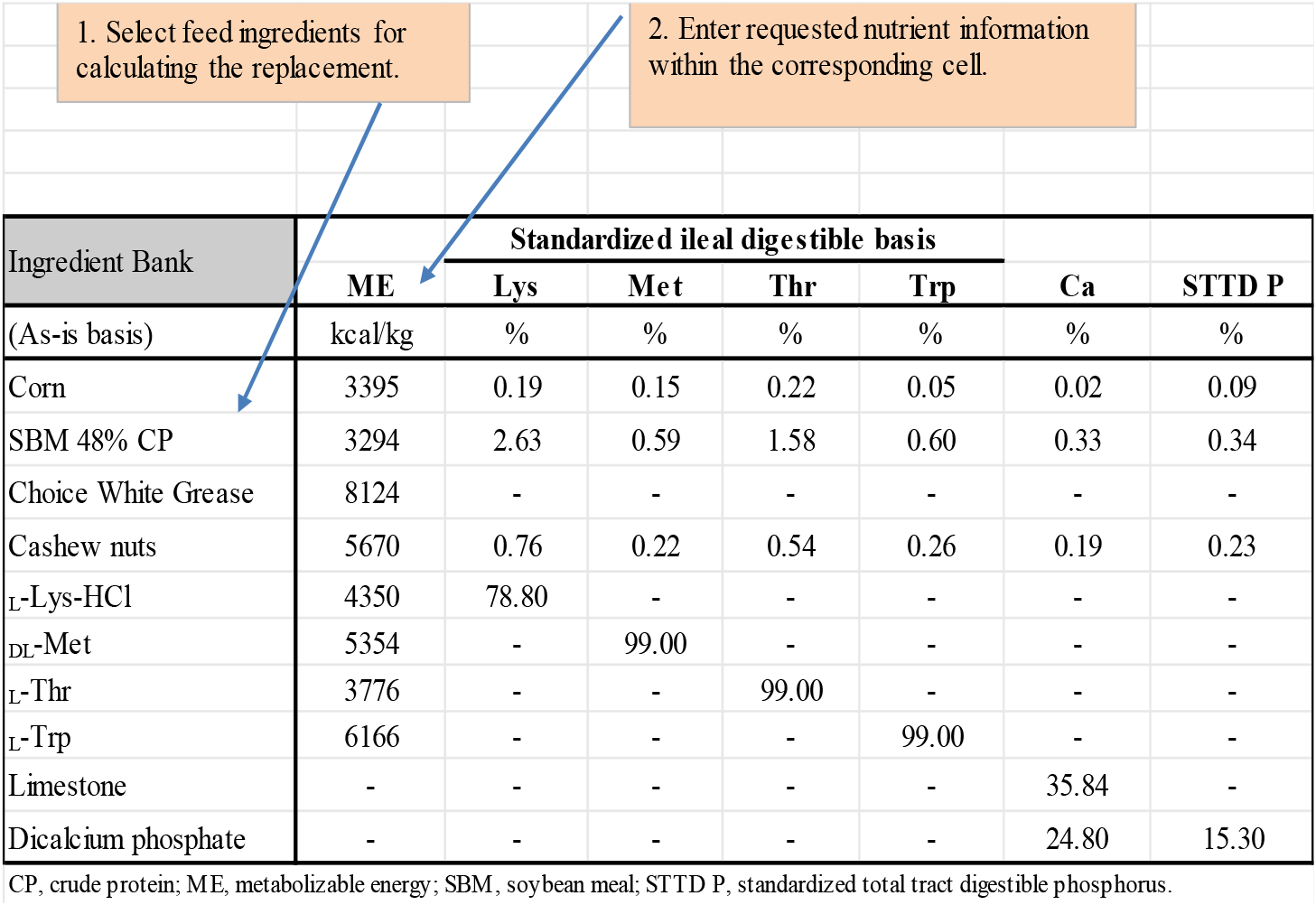
In the present study, cashew nuts were evaluated as a potential alternative to replace conventional feed ingredients such as SBM and supplemental oil. The metabolizable energy and nutrient composition including standardized ileal digestible amino acids, total calcium, and standardized total tract digestible phosphorus in corn, SBM, and choice white grease were based on data from the NRC [11] whereas those in cashew nuts were obtained from in-house data [7] (Fig. 1).
The basic principle for calculating the economic value of alternative feed ingredients is to compare the price difference when they replace conventional feed ingredients without changing the nutrient concentrations. Because the nutrient composition of an alternative feed ingredient differs from that of conventional feed ingredients, maintaining metabolizable energy and nutrient composition is necessary to meet nutritional requirements of pigs when an alternative feed ingredient is incorporated in swine diets. When replacing conventional feed ingredients with an alternative feed ingredient, complete substitution using only one ingredient is impossible due to differences in nutrient composition among feed ingredients. Therefore, corn, SBM, choice white grease, L-Lys-HCl, DL-Met, L-Thr, L-Trp, limestone, and dicalcium phosphate (DCP) were used, along with cashew nuts, to balance the energy and nutrient composition of the diet in the present study.
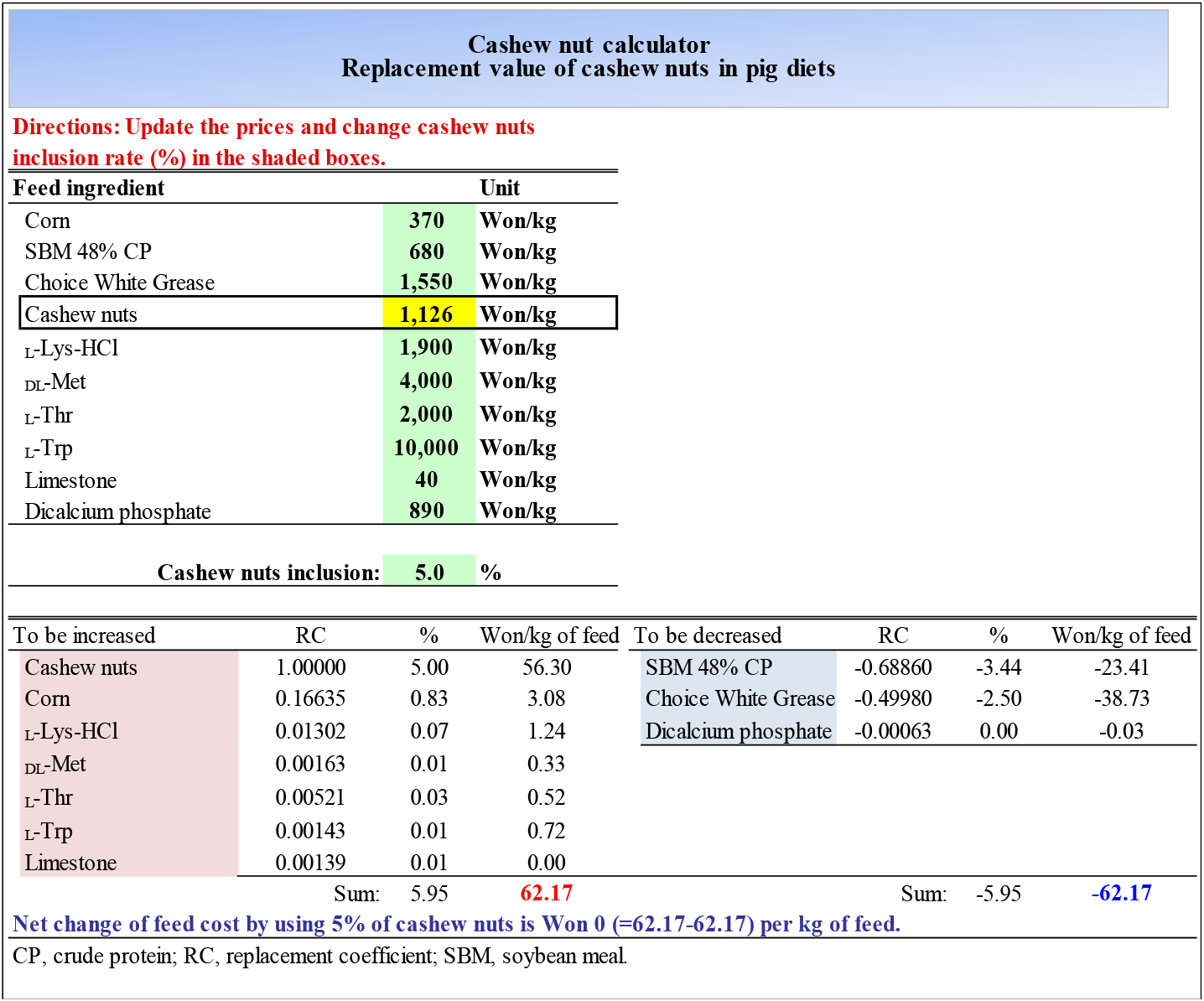
To determine the economic value of cashew nuts, three worksheets were developed using Microsoft® Excel 2020. In the worksheet 1, the nutrient composition of cashew nuts, corn, SBM, and supplements is provided (Fig. 1). Following this step, worksheet 2 was developed to balance the energy and nutrient concentrations using corn, SBM, and supplements while setting cashew nuts as 100%, allowing for the calculation of RC of conventional feed ingredients to cashew nuts (Fig. 2). To ensure balanced nutrient concentrations when using cashew nuts as an alternative ingredient in swine diets, the replacement values in the present study were determined by considering metabolizable energy, standardized ileal digestible amino acids (Lys, Met, Thr, and Trp), total calcium, and standardized total tract digestible phosphorus [10]. In worksheet 3, the change of feed price (won/kg) was calculated based on inclusion rate of cashew nuts and the price of the feed ingredients (Figs. 3–5).
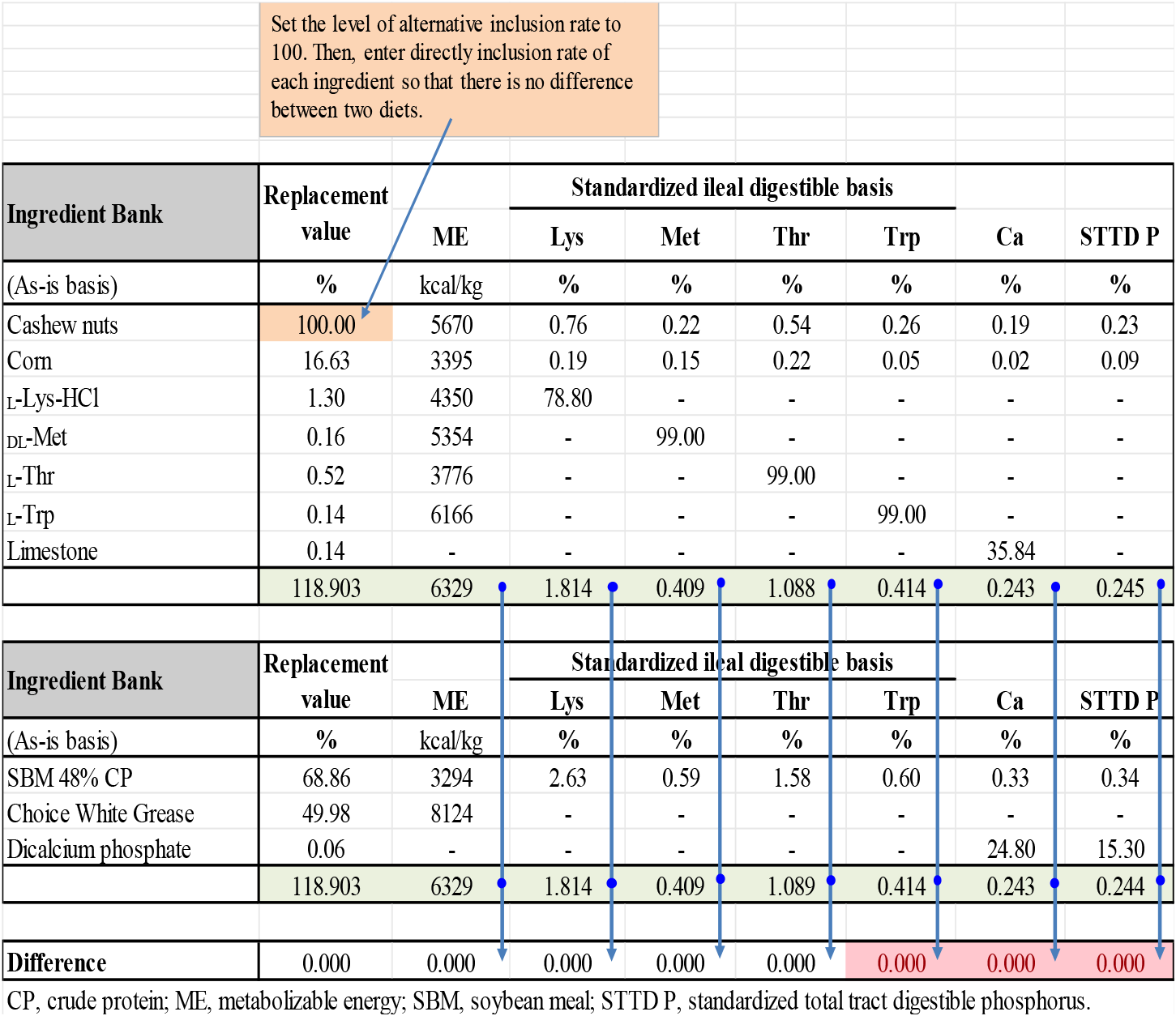
Worksheet 2 consists of two tables, upper and lower, for calculating the RC for cashew nuts (Fig. 2). The upper table includes the replacement values with energy and nutrient composition of cashew nuts as well as crystalline amino acids and limestone whereas the lower table includes those of SBM, choice white grease, and DCP to be replaced with cashew nuts. The replacement values for feed ingredients and supplements in both the upper and lower tables are adjusted to ensure that the energy and nutrient concentrations are equivalent across the two tables whereas the replacement value for cashew nuts was fixed at 100%.
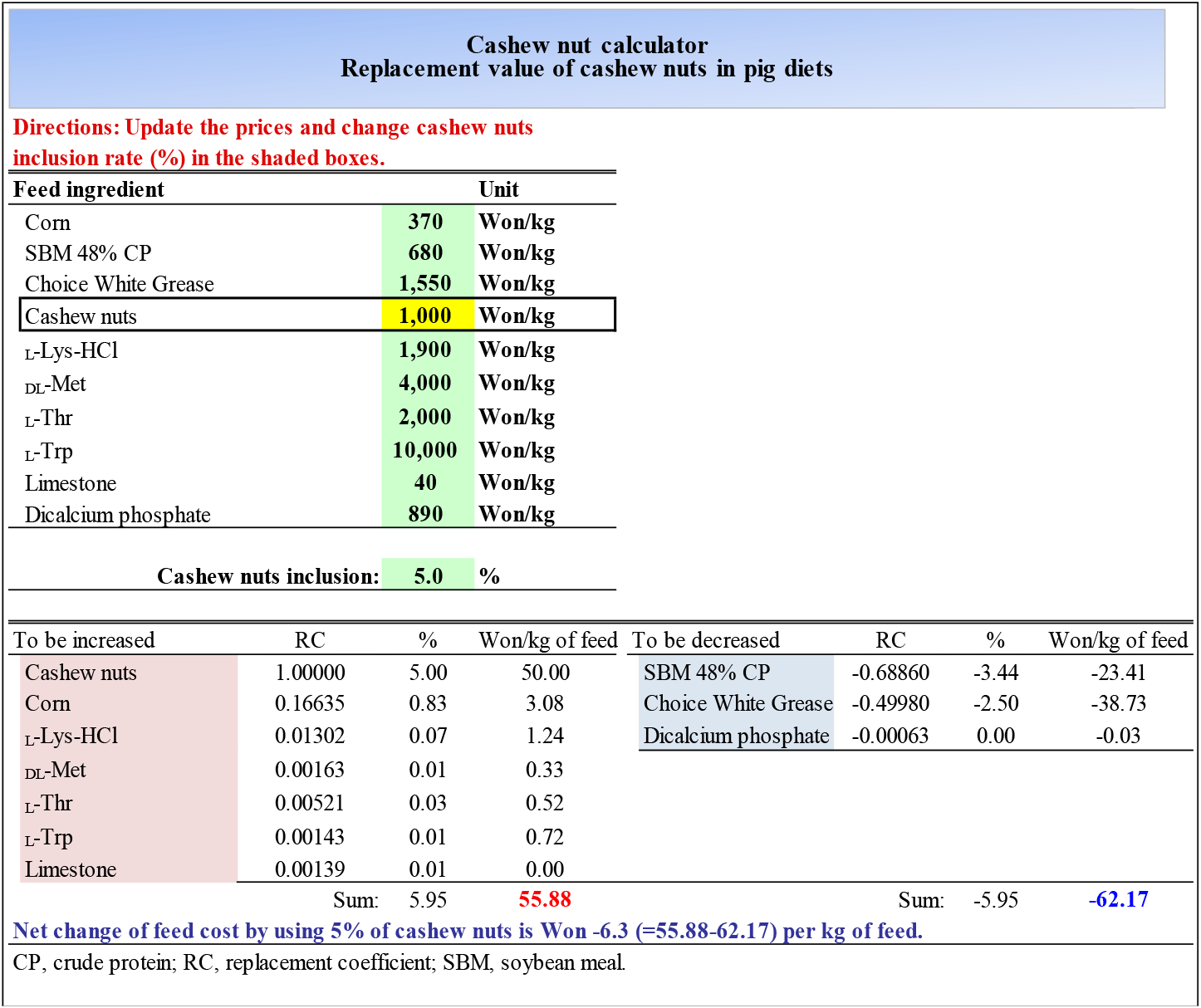
After that, in worksheet 3, the prices of cashew nuts, corn, SBM, and supplements were entered into the table based on the current market prices in won (Fig. 4). At the left bottom of worksheet 3, the RC was calculated by dividing the replacement value by 100. In the present example, the inclusion rate of cashew nuts was 5% of the diet and the inclusion rates (%) of corn, SBM, and supplements were calculated based on the respective RC. The contribution of each ingredient to the feed cost increased due to the use of cashew nuts was calculated based on the inclusion rate (%) and the price of each ingredient. In this example, the increased cost for using cashew nuts at 5% was 55.88 won/kg. With the same token, the feed cost decreased due to the use of 5% cashew nuts was calculated as 62.17 won/kg at the right bottom.
RESULTS AND DISCUSSION
The calculated RC was used to show the relationship to maintain equal metabolizable energy and nutrient concentrations, as shown in the following equation:
where the left-hand side represents cashew nuts with 1 of RC and supplements with respective RC to cashew nuts (corn = 0.16635, L-Lys-HCl = 0.01302, DL-Met = 0.00163, L-Thr = 0.00521, L-Trp = 0.00143, and limestone = 0.00139) to replace conventional feed ingredients, and the right-hand side represents conventional feed ingredients with respective RC to cashew nuts (SBM = 0.68860, choice white grease = 0.49980, and DCP = 0.00063). By using cashew nuts as an alternative ingredient in swine diets, the cost savings can be estimated using the following equation:
where the unit for price of each ingredient is won/kg.
The RC model developed in the present study provides a simplified program for evaluating an alternative to replace conventional feed ingredients in pig diets. In the RC model, digestible amino acid concentrations are balanced using crystalline amino acid sources that are critical for the maintenance and protein retention of pigs [12]. Additionally, metabolizable energy, calcium, and digestible phosphorus were also balanced in the model. The market price of alternative feed ingredients is one of the most influential factors in formulating swine diets but can be influenced by supply chain logistics, regional availability, and market demand. Moreover, the nutritional composition of alternative feed ingredients such as cashew nuts can vary considerably due to differences in growing conditions and processing methods, making it essential to consider the variations in nutritional values when formulating swine diets [13,14]. As implemented in the Excel spreadsheet, the program offers a user-friendly interface that facilitates both nutrient balance and cost-effectiveness analyses. Users can easily modify the nutritional information and ingredient prices in the Excel worksheet, enabling flexible calculation of feed ingredient prices under specific conditions. In addition, this program allows for rapid scenario testing, enabling the adjustment of dietary components to meet energy and nutrient requirements of animals with consideration of ingredient availability and economic conditions in the context of fluctuating ingredient resources.
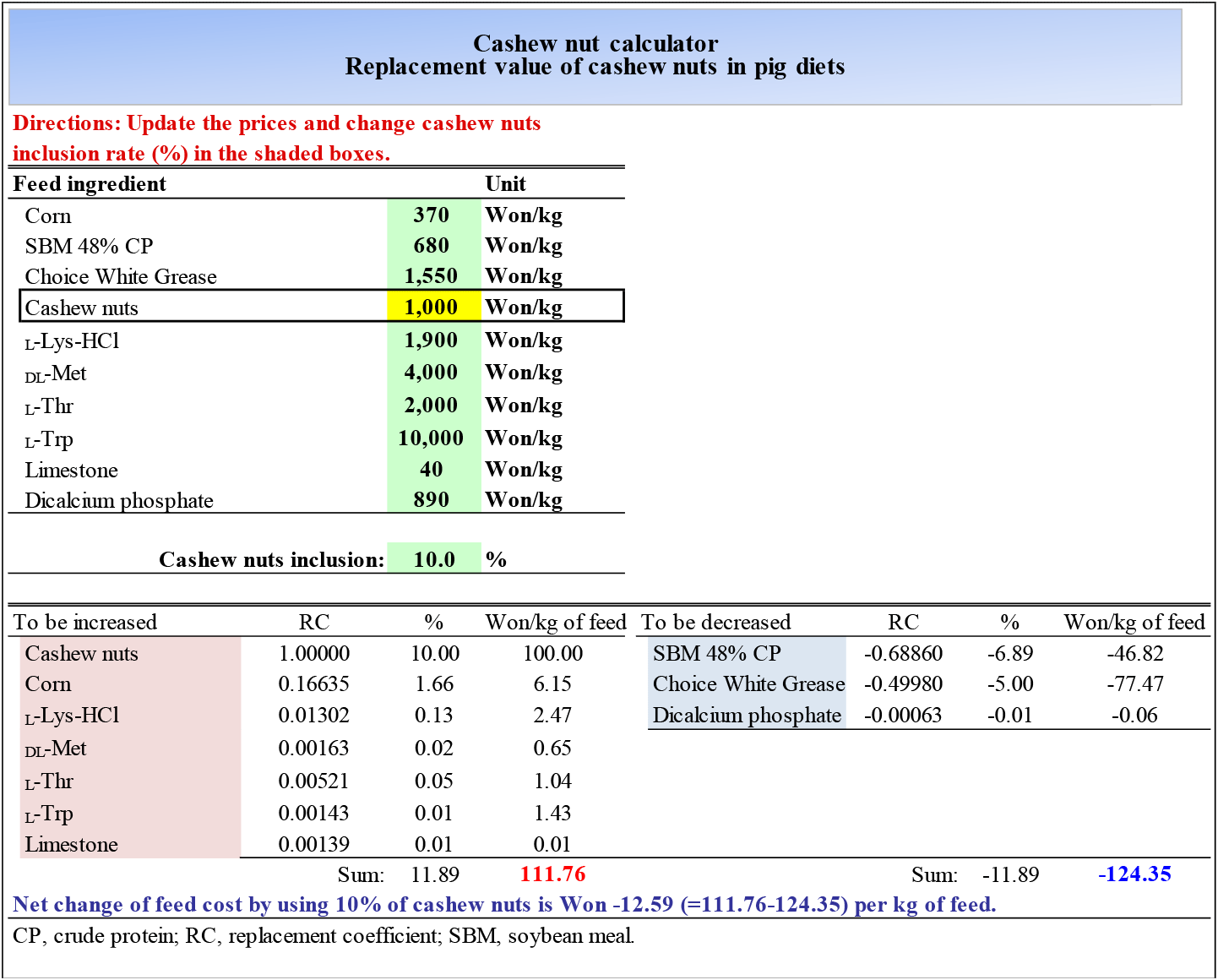
According to Fanimo et al. [15], cashew nuts can be incorporated into pig diets at up to 10% as a partial substitute for SBM without detrimental effects on the growth performance of pigs. With an inclusion rate of 10% and a market price of 1,000 won/kg for discarded cashew nuts, the estimated feed cost decreased by approximately 12.59 won/kg based on the present model (Fig. 3). However, the NRC [11] suggested that the maximum inclusion of added fat in swine diets is approximately 6% because of diet-handling characteristics in practical conditions, which is the reason why the present study selected the inclusion rate of 5% for cashew nuts. By incorporating cashew nuts at 5% of the diet, the calculated feed cost decreased by approximately 6.30 won/kg (Fig. 4). Furthermore, the maximum limit of market price for discarded cashew nuts for formulating swine diets with no change in costs was also calculated to consider the fluctuating cost of the feed ingredient, suggesting that the price of cashew nuts needs to be less than 1,126 won/kg for cost-effectiveness. In addition, the nutritional and economic value of cashew nuts in swine diets may also be influenced by nutritional composition of the ingredient potentially affected by processing methods and regional practices [13,14]. Further research is warranted to determine potential interaction between cashew nuts and other ingredients when fed to pigs and to test cashew nuts after extracting oils.
In conclusion, cashew nuts can be an alternative feed ingredient in swine diets, offering both nutritional and economic benefits when included at appropriate levels. When the market price of cashew nuts is 1,000 won/kg, a 5% inclusion rate in swine diets results in a reduction of the feed cost by approximately 6.30 won/kg. The Excel spreadsheet developed in the present work enables the estimation of feed cost changes by updating the price of the ingredients and the inclusion rate of cashew nuts.


